
What Is the Difference Between Renovation and Remodel?


“Renovate” and “remodel” often get used interchangeably but in construction, that small language slip can mean a very different scope, budget, and timeline.
Here’s the clear answer upfront. Renovation means restoring or updating what already exists. Remodeling means changing the structure, layout, or function itself. Same space. Very different intent. New flooring, fresh finishes, updated fixtures? That’s renovation. Removing walls, re-configuring layouts, changing how a space works? That’s remodeling. Let’s break it down properly so you choose the right path, set the right budget, and avoid expensive misunderstandings before work even begins.
Renovation vs. Remodel: The Core Difference
At a high level, the difference comes down to intent. Renovations improve what’s already there. Remodels transform it into something new. Both can add value. Both can improve comfort. But they solve different problems and require very different levels of planning, cost, and expertise.
What Is a Home Renovation?
A renovation updates or refreshes a space without changing its purpose or structure. The room stays the same. It just works better and looks better. Think of renovations as improvements, not reinventions.

Common Renovation Examples
Renovation projects often include:
Painting walls or cabinets
Replacing flooring
Updating cabinet hardware
Installing new light fixtures
Replacing faucets or vanities
Upgrading appliances
Repairing damaged wood or finishes
The layout stays intact. The function stays intact. The space is simply modernized or repaired.
Renovation Scope, Cost, and Timeline
Renovations are usually:
Smaller in scope
Shorter in duration (days or weeks, not months)
Less expensive than remodels
Costs vary widely, but many renovations stay within a manageable budget—especially when structural work isn’t involved.
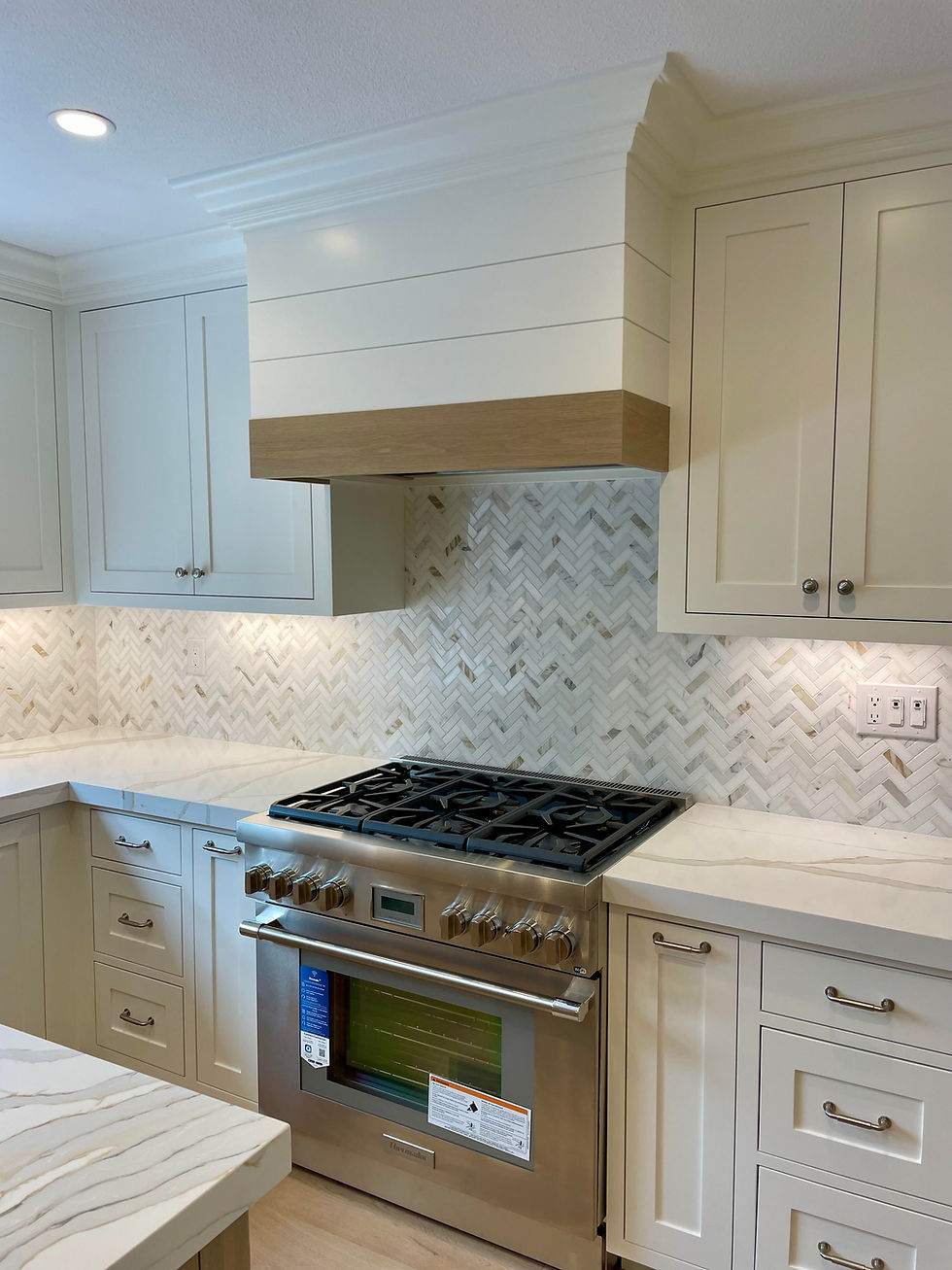
A basic renovation might cost a few hundred dollars. A full kitchen renovation can run into the tens of thousands, depending on finishes and materials.
When Renovation Makes the Most Sense
Renovation is the right choice when:
The layout works, but the space feels outdated
You want to refresh finishes or improve usability
You’re preparing a home for resale
You want higher ROI with lower disruption
Renovation focuses on refinement, not reinvention.
What Is a Home Remodel?
A remodel goes deeper. Much deeper.
Remodeling changes the structure, layout, or function of a space. This is where walls move, rooms expand, and floor plans evolve.
Common Remodeling Examples
Typical remodeling projects include:
Removing or adding walls
Reconfiguring kitchen or bathroom layouts
Enlarging closets or rooms
Adding bedrooms or bathrooms
Finishing basements or attics
Creating open-concept living spaces
If the space no longer functions the same way it did before, you’re remodeling.

Remodeling Scope, Cost, and Timeline
Remodels are larger projects by nature.
They often involve:
Demolition
Structural changes
HVAC modifications
Permits and inspections
Because of this, remodels:
Take longer (often months)
Cost significantly more
Require licensed professionals
Budgets can range from tens of thousands to well over $100,000, depending on the scope.
When Remodeling Is the Better Option
Remodeling makes sense when:
The layout no longer meets your needs
You want to add livable square footage
You’re correcting functional limitations
You’re making a long-term investment in the property
Remodeling prioritizes transformation over surface-level improvement.

Renovation vs. Remodel vs. Restoration
There’s a third term that often enters the conversation: restoration.
While related, restoration serves a very different purpose.
What Is Restoration?
Restoration returns a building or space to its original condition.
This approach is common with:
Historic homes
Older commercial buildings
Architecturally significant properties
The goal isn’t modernization—it’s preservation.
Key Differences at a Glance
Renovation: Updates and improves without changing function
Remodel: Changes structure, layout, or purpose
Restoration: Preserves or recreates the original design
Restorations often hide modern systems like HVAC or wiring to maintain historical accuracy.
DIY vs. Professional Work
Not all projects require a contractor—but many do.
Renovations and DIY
Many renovations are DIY-friendly, especially for homeowners with basic skills.
Common DIY renovations include:
Painting
Replacing hardware
Installing light fixtures
Swapping faucets
Updating cabinet doors
However, some renovations still require professionals—especially when safety, codes, or warranties are involved.
Remodels and Licensed Professionals
Remodels almost always require professionals.
Structural changes, electrical work, plumbing, and HVAC modifications are typically regulated by local codes and must be handled by licensed contractors.
Attempting a DIY remodel often leads to:
Failed inspections
Safety risks
Higher long-term costs

Permits, Codes, and Inspections
This is where confusion can get expensive.
Renovation Permits
Many cosmetic renovations don’t require permits, including:
Painting
Flooring replacement
Cabinet upgrades
Appliance swaps
But once electrical, plumbing, or roofing work is involved, permits may be required.
Remodeling Permits
Most remodels require permits and inspections because they affect:
Structural integrity
Electrical systems
Plumbing lines
Fire safety
Always check with local building authorities before starting work.
Cost, ROI, and Value
Cost alone shouldn’t drive the decision—but it matters.
Renovation ROI
Renovations often deliver strong ROI, especially:
Energy-efficient improvements
Kitchen and bathroom updates
Garage doors and entry doors
These improvements maintain a home’s condition and appeal to buyers.
Remodeling ROI
Remodels can add value by:
Increasing square footage
Improving functionality
Modernizing layouts
However, ROI varies widely by market. Some remodels prioritize lifestyle value over resale return.

How to Decide: Renovate or Remodel?
Before committing, ask yourself:
Does the layout work as-is?
Am I improving or transforming the space?
What’s my realistic budget?
How long do I plan to stay here?
How much disruption can I tolerate?
Clear answers lead to better decisions—and smoother projects.
Conclusion: Choosing the Right Path for Your Project
Renovation vs. Remodel—It’s About Intent
The difference between renovation and remodeling isn’t just terminology. It shapes your budget, timeline, contractor requirements, and expectations.
Renovate when you want to refresh, repair, or modernize.Remodel when you need to rethink how a space works.
Both paths can improve comfort, functionality, and value. The key is choosing the right one before the first estimate—or the first wall—comes down.
Clarity upfront saves money later. And in construction, that’s everything.
Comments